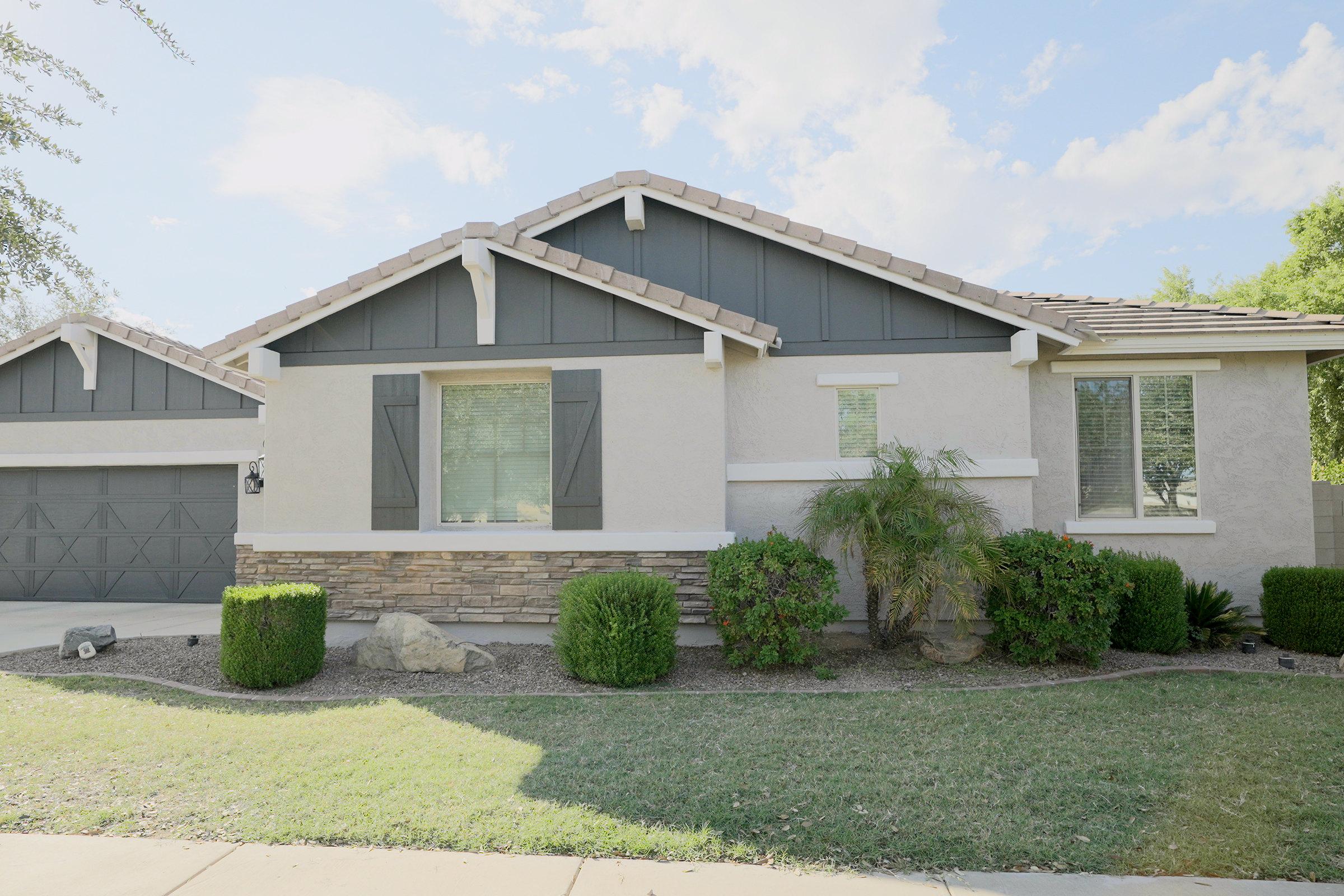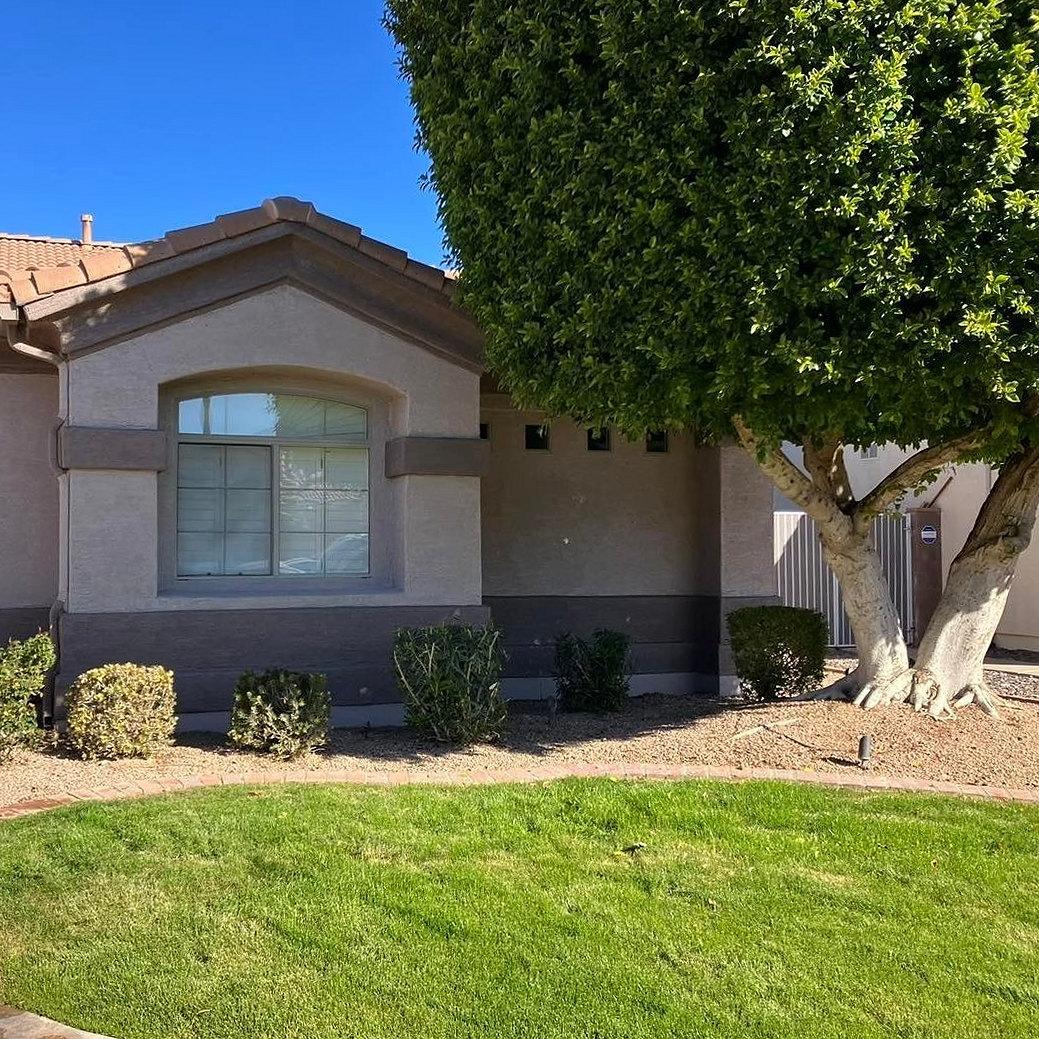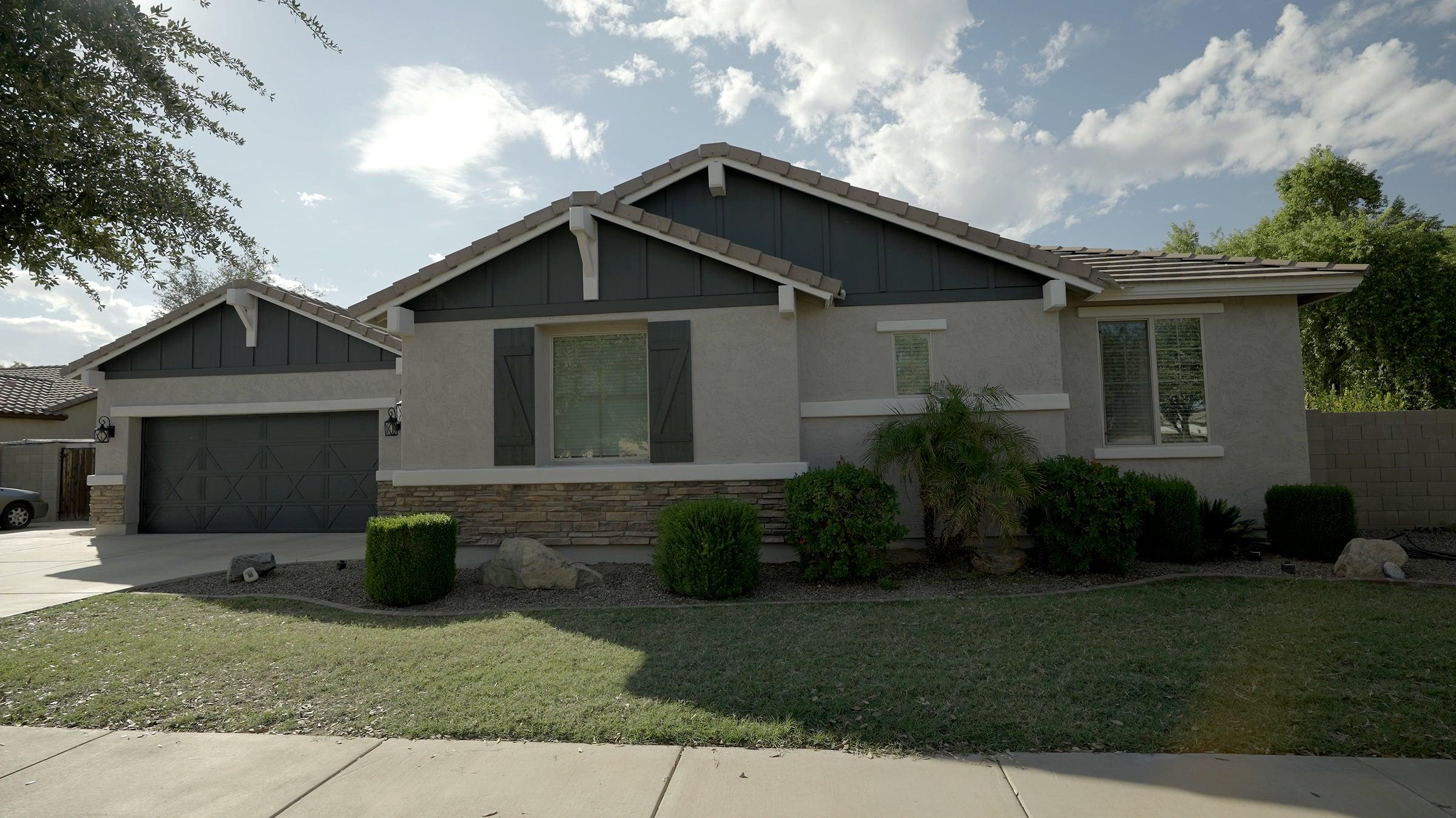
Introduction
Your home’s exterior paint does more than provide color and curb appeal. It plays a role in your house’s insulation performance and energy efficiency. Here in Arizona, where heat can spike during the summer months, exterior paint choices influence how well your home stays cool. At iPaintHomes, we specialize in residential repainting services that not only refresh your home’s appearance but also enhance performance and protection.
This blog explains how exterior paint impacts insulation and energy costs. We’ll explore paint properties, color choices, surface preparation, and the best practices for homeowners to consider. With the right approach, your repaint project can improve comfort and lower utility bills.
How Paint Plays a Role in Home Efficiency
Heat Reflection and Absorption
Exterior paint affects how much heat your home absorbs from the sun. Dark colors absorb more solar heat, making surfaces hotter. Consequently, that heat transfers through walls and into your living space. On the other hand, light or reflective paint colors bounce more sunlight away. This effect helps your home remain cooler.
Selecting reflective paints or coatings with high solar reflectance can reduce heat buildup on siding and trim. In turn, this reduces the workload on your air conditioning system and may lower energy costs, especially during summer.
Paint Composition Matters
Not all paints perform the same. Some exterior paint formulas include reflective or insulating additives that help deflect solar radiation. These coatings often contain ceramic or titanium dioxide particles that enhance thermal performance.
When iPaintHomes consults on an exterior repaint, we recommend products with proven durability and reflective properties that benefit insulation. Choosing the right product matters more than a low initial cost.
Color Choices That Support Energy Efficiency
Cool Colors vs. Dark Colors
Color influences how much heat a surface absorbs. Cool tones such as whites, light grays, and soft pastels reflect more light and heat than deep hues like navy, charcoal, or dark brown. In climates with intense heat, choosing lighter colors can:
-
Reduce surface temperatures
-
Decrease heat transfer through siding
-
Improve indoor comfort
However, aesthetic goals still matter. Homeowners can use lighter base colors with strategic dark accents, such as trim or doors, while maintaining a balanced, energy‑smart design.
Reflective Paint Technology
Some modern paints integrate cool pigments that enhance reflectivity without looking “washed out.” These pigments reflect infrared light while preserving rich color. This technology helps darker hues perform better in terms of energy efficiency.
Working with iPaintHomes, you can see color samples in natural light before committing. This step prevents surprises and ensures solar performance aligns with your design vision.
Surface Preparation Improves Paint Performance
Clean, Smooth Surfaces Promote Performance
Proper surface preparation enhances paint adhesion and long‑term performance. Dirt, chalk, and peeling paint reduce the effectiveness of any coating. iPaintHomes technicians thoroughly clean, sand, and prime surfaces so that paint bonds well and reflects heat consistently.
Primers and Insulation Benefits
Primers help seal porous surfaces and improve uniform coverage. In some cases, specialty primers add an insulating layer that supports energy performance, particularly on surfaces with existing damage or discoloration.
Well‑prepared surfaces also resist cracking and peeling, which prevents compromised insulation and moisture intrusion.
How Paint Protects Against Weather and Moisture
UV Protection and Durability
Exterior paint shields siding from sun damage. UV rays break down materials over time, causing fading and surface breakdown. Quality exterior paint with UV inhibitors slows this degradation. By maintaining a reflective, sealed surface, paint minimizes heat gain and extends the life of your siding.
Protective coatings also help preserve wood, stucco, fiber cement, and other common exterior materials found on Arizona homes.
Moisture Resistance
Proper exterior paint systems help block moisture infiltration. When water enters cracks or unprotected surfaces, it leads to rot, mold, and insulation damage. A well‑applied exterior paint system prevents moisture from entering your home envelope, supporting insulation performance and indoor comfort.
Insulation and Structural Considerations
Paint Is Not a Substitute for Insulation
While paint contributes to heat reflection, it does not replace traditional insulation materials like fiberglass, foam boards, or spray foam. However, exterior coatings work alongside insulation systems to maximize overall efficiency.
For instance, exterior painting after adding insulation ensures that reflective surfaces and sealed walls perform optimally. Coordinating paint upgrades with insulation improvements provides comprehensive benefits.
Energy Audit and Paint Project Timing
Consider an energy audit before repainting. An audit identifies insulation gaps, air leaks, and other inefficiencies. Combining insulation upgrades with a repaint ensures you get the most from both investments. iPaintHomes can align repaint schedules with your home improvement plans to reduce disruption and enhance outcomes.
Case Study: How Repaint Choices Impact Utility Bills
Example Home in Mesa, Arizona
A homeowner in Mesa reported excessive cooling costs during summer. We recommended an exterior repaint using high‑reflective paint with light base color and cool pigments. We also addressed peeling areas and primed for a uniform finish.
After repainting:
-
Roofline and siding surface temperature dropped significantly
-
Indoor temperature remained more stable
-
Air conditioning cycles shortened
-
Monthly energy bills reduced compared to previous summers
While exact savings vary by home, the combination of reflective paint and proper surface prep contributed to measurable improvement.
Maintenance Tips for Long‑Term Efficiency
Regular Cleaning
Dust buildup reduces reflectivity. Periodic cleaning of exterior surfaces ensures optimal performance.
Inspections and Touch‑Ups
Interior paint works best when the exterior system remains intact. Inspect paint annually and touch up chips, cracks, or fading areas. Timely touch‑ups prevent moisture entry and preserve reflectivity.
Seasonal Prep
Before summer and winter, check for loose trim or peeling areas. Addressing these issues before extreme temperatures arrive maintains insulation support.
Why Homeowners Choose iPaintHomes for Exterior Projects
Experience in Arizona’s Climate
Arizona’s unique sun and temperature fluctuations demand specialized approaches. iPaintHomes technicians understand local challenges and recommend products that withstand heat, UV exposure, and monsoon moisture.
Detailed Process for Reliable Results
We don’t cut corners. Our process includes:
-
Thorough inspection and prep
-
Expert color and product consultation
-
Precision application
-
Post‑project cleanup and final inspection
This approach ensures beautiful, durable results that deliver performance benefits beyond appearance.
Customer‑First Communication
We keep homeowners informed at every step. Clear timelines, transparent expectations, and post‑project care tips help reduce stress and maximize satisfaction.
Conclusion: Smart Paint Choices Support Home Efficiency
Exterior paint does more than make your home look great. It affects heat absorption, surface durability, moisture control, and overall insulation performance. With the right products and professional application, your repaint project becomes an investment in comfort and energy savings.
Contact iPaintHomes to explore reflective paint options and begin an energy‑smarter repaint today.